New Worlds of Body, Mind & Spirit Since 1901
Charm casting might be your new favorite divination practice! While many people are familiar with tarot or oracle cards, runes, scrying, or pendulums, charm casting offers a different way of connecting with your intuition. Charm casting is deeply personal and built around the power of meaningful objects. The concept is simple: you build a collection of small charms or trinkets, assign meaning to each one, and cast them onto a reading surface to interpret the messages they create together. The randomness allows the symbols to come together in unique ways with every cast. Long before I knew there was a name for charm casting, I was the person who couldn't leave a beach without collecting ...
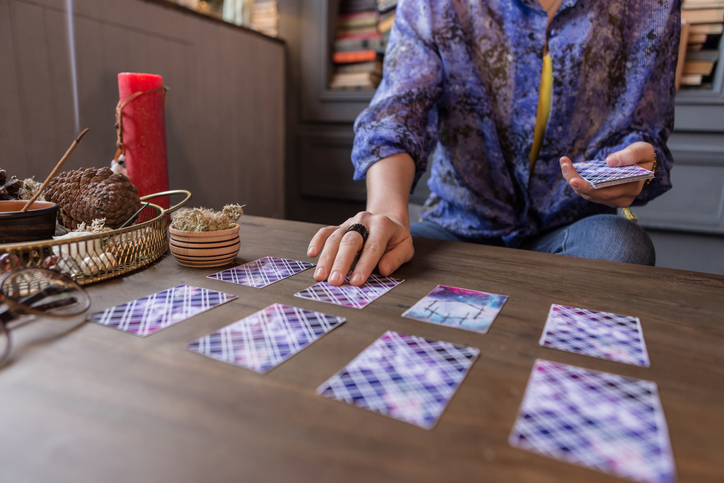
A person sits at their kitchen table contemplating an intricate tarot spread, making notes, comparing cards, and pulling more. Meanwhile, another person waits for their bus, pulls out their phone, and uses an app to "draw" a card. They look at the image, arrive at a conclusion, and close the app. The first situation takes fifteen minutes to an hour; the second, just a few minutes. Time and complexity are just a few of the differences in their approaches to tarot. While the structure of a tarot deck is virtually unchanged, shifts in beliefs, practices, and cultural influences have changed tarot. The titles on cards differ depending on which tradition the deck follows: the ...
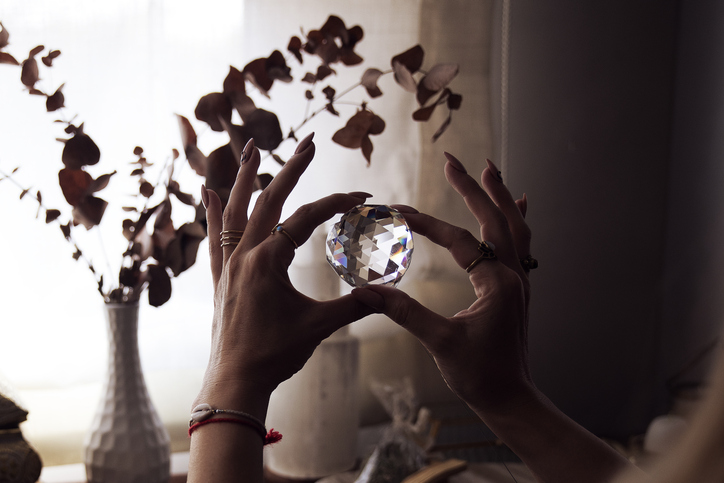
Divination is a practice that many mystics, magicians, and healers rely upon. It offers insight, guidance, and feedback along the path. With seemingly countless forms of divination available, there's at least one tool out there for everybody, from oracle cards to crystal balls and everything in between. As a crystal lover, I'm particularly fond of divination with crystals and gemstones, and there is no method of crystal divination more iconic than scrying. Scrying is typically practiced by gazing into or upon a reflective surface. Though spheres of polished crystal and glass are what many people imagine when picturing the art of scrying, virtually any reflective surface will do. When a ...
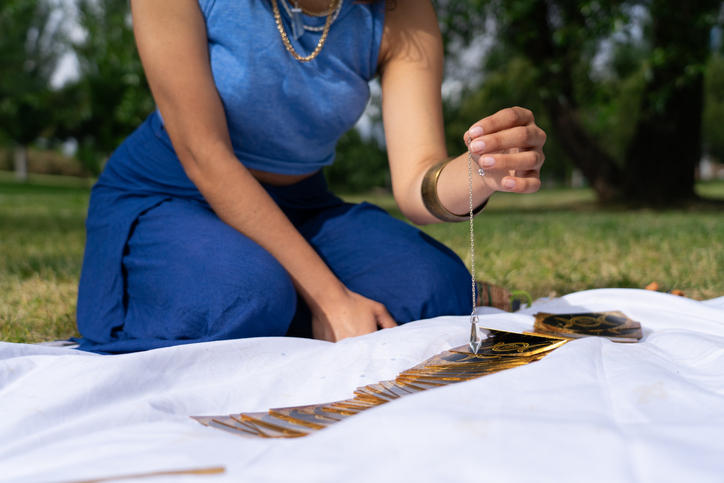
Many of us first learn divination by focusing on the tool in front of us: a tarot deck, runes, a pendulum, or set of oracle cards. We learn the meanings, practice our spreads or casting methods, and begin building a relationship with symbols. This is important work, and a good diviner needs practice and fluency with their chosen tools. But divination doesn't happen in a vacuum. Every reading takes place somewhere. You may be sitting at your kitchen table, walking through a city park, lying awake in a hotel room, or pulling a card before an important conversation. The place itself matters. The land, the room, the weather, the ancestors and histories of that location, and your own ...